6 Signs Your Dog is Sick

Dogs can’t tell us they aren’t feeling well with words. As pet owners, you are the best person at reading the signs your dog is sick. Although their indications aren’t verbal, they can be easy to see with a little practice and observation. Knowing the signs and taking your dog to the vet early can save money and suffering in the long run.
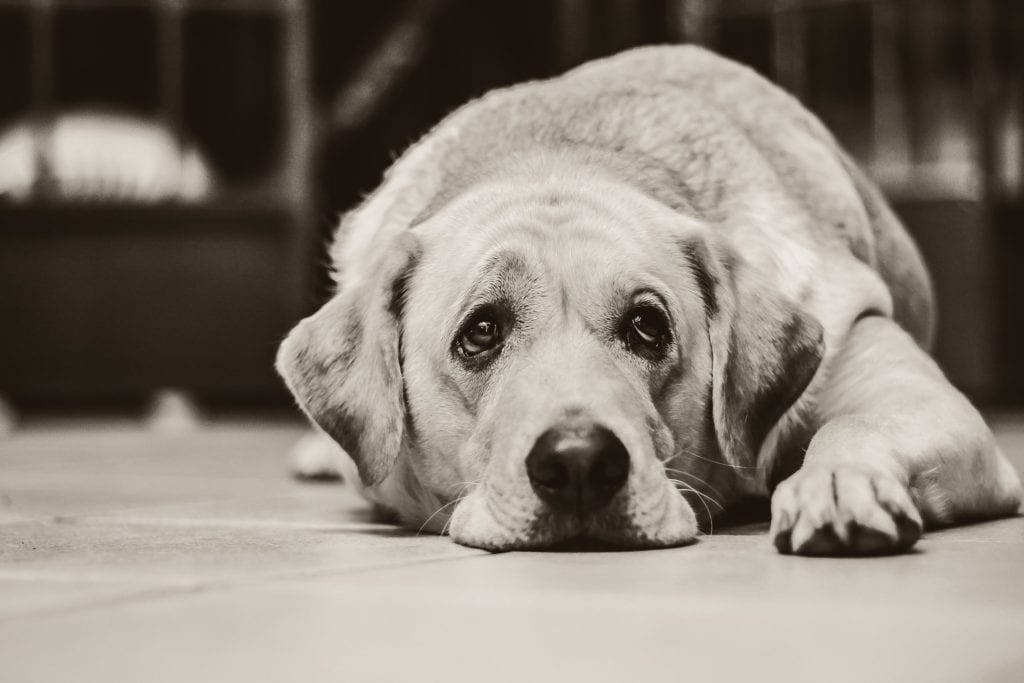
Observation is the best way to see signs your dog is sick
Be aware of possible signs of illness in your dog

Look For These Signs Your Dog is Sick

  • Changes in behavior – You know your pup best and will recognize if they are sleeping more than usual, hiding or spending more time alone than usual, are lethargic, aggressive, irritable or needy. Any odd shift in their normal routine can be a warning sign your dog is sick and should be taken seriously.
  • Loss of appetite – Sudden loss of appetite is a warning sign that something may be wrong. If it lasts for more than a day, it is a good idea to get your dog checked out by a medical professional.
  • Potty problems – This could be trouble peeing or pooping, urinating too much, diarrhea or constipation. Any extended change in your dog’s bathroom habits can be a cause for concern.
  • Respiratory symptoms – If your dog is having difficulty breathing – see your vet! Other respiratory ailments like coughing, wheezing and nasal discharge can be a cold or flu and may require veterinary attention as well.
  •  Drinking too much water – It may be difficult to determine what “too much” water is. A dog needs a fluid ounce of water for every pound of body weight each day. Rather than get out the measuring cups, a noticeable change in your dog’s intake can be a sign of a serious problem. Be sure to see a vet.
  • Excessive licking – Depending on where your dog is licking, this can be a symptom of a couple of different things from allergies to gastrointestinal troubles. Visit a vet to determine the nature of the problem.

The above signs your dog is sick are not exhaustive and do not replace veterinary care in any way. If you suspect your dog may be ill or in discomfort, it is always best to err on the side of caution. Proper medical attention can extend the life of your pet and improve the quality of their lives. We all love our furbabies.

PlexiDor Dog Doors wishes all dog owners a happy and healthy spring. Our dog doors come in standard and electronic models in sizes for small to extra-large dogs. Our doors come in sizes for Chihuahuas to Great Danes and everything in between. Choose a dog door for your wall, exterior door, French door, sliding glass or other glass house door. Contact our Customer Service department for any questions today!
What’s the Real Reason Dogs Sniff Each Other’s Behinds?

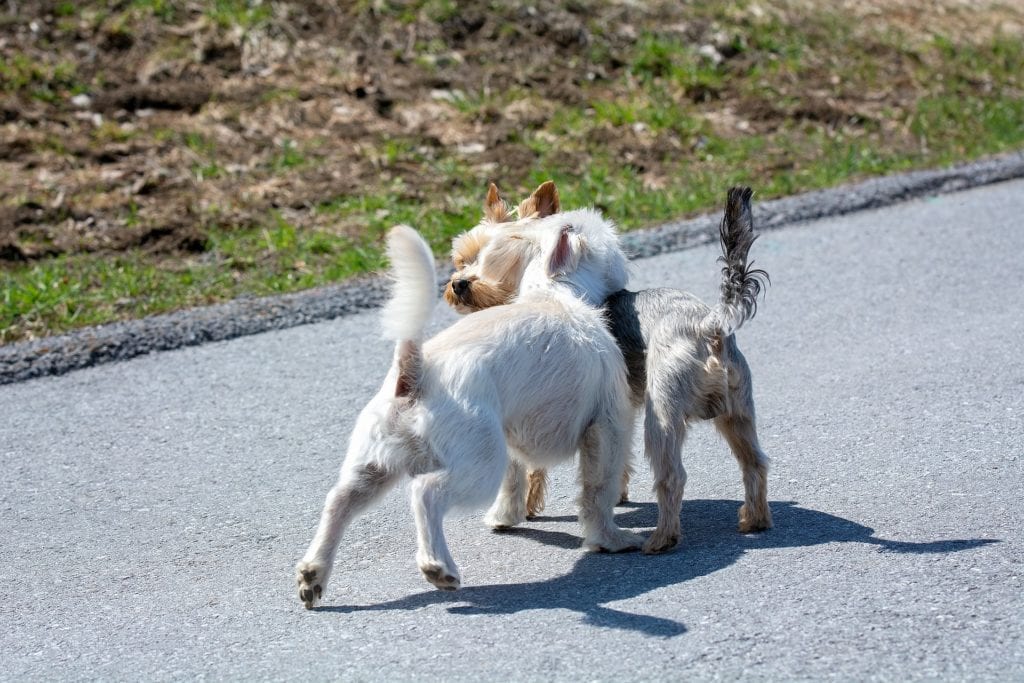
Ever wonder why dogs sniff each other’s behinds? It’s definitely not the way humans approach each other. People shake hands or wave hello. However, for dogs sniffing butts is normal behavior and expected. There is a scientific reason, a social reason, and some legendary explanations for why dogs sniff each other’s behinds. The reasons and the legends may surprise you and give your day a chuckle. Read further to find out more.

Dogs sniffing each other's behinds

Reasons Dogs Sniff Each Other’s Behinds

  • Greeting
  • Anal sac secretions
  • Native American legends

The Greeting – Sniffing each other is like a handshake and a hello. It’s a greeting between dogs. They immediately know if they are friend or foe.

Science – There are anal sacs on the sides of your dog’s butt with glands that secrete chemicals identifying a lot about your dog. Dogs have an excellent sense of smell and use it to communicate. A dog can tell the sex, reproductive status, and tips on the health, diet and emotional state of another dog from the scent.

Legends Why Dog Sniff Each Other’s Behinds

There is an old Sioux legend that offers another possibility…

A long time ago, the dogs decided to hold an election. They needed someone to lead them. A strong, swift and wise dog. They congregated at the big dog convention. A dog spoke up and nominated the bulldog. “I nominate the Bulldog. He’s tough and he can fight.”

“But he’s slow. He’ll never catch anyone.”

Then another dog spoke and nominated the greyhound. “I nominate the Greyhound. He’s fast as anything. He will outrun anyone.”

“Sure, he can run, but he can’t fight! What happens when he catches up to them? He’ll get beat up and then what happens? All he can do is run away. He is no leader.”

An ugly dog jumps up and says, “I nominate the dog who smells good under his tail!”

Another ugly little dog jumps up and says, “I second the motion!”

All of sudden, there is a huge commotion as everyone starts talking at once. All the dogs start sniffing each other’s tails.

“Eww, that smells terrible!”

“That one’s not good.”

“He’s not the people’s choice”

“Wow! This guy’s not my candidate.”

“Gross! That’s awful!”

It went on and on…

So, when you’re out walking, watch the dogs. They’re still looking for a leader. That’s why they still sniff each other’s behinds.

Leni Lenape Legend

The Leni Lenape or Delaware people are indigenous to the Northeastern woodlands of the United States and Canada. They have a legend that involves dancing.

While the humans slept one night, the dogs had a party. They would always take their tails off for the party to enjoy dancing. After dancing the entire night, they’d put their tails back on and go home to their humans.

One night a wolf came upon them and all the dogs, in a panic, grabbed a tail and dashed home to safety. In their haste, many of them took the wrong tail. They were afraid of the wolf, so they never partied and danced again. For the rest of their lives, they were stuck with the wrong tail.

Have you heard any other legends explaining why dogs sniff each other’s behinds?  

There is a legend surrounding the pet door also! Visit PlexiDor Dog Doors Learning Hub for the details.  PlexiDoor Dog Doors has a solution for walls, doors, and glass. They come in standard and electronic models sized for dogs from Teacup Yorkshire Terriers to Great Danes. Warrantied and guaranteed, these are durable, long-lasting and energy efficient dog doors. Contact our Customer Service department with questions at 888-PETDOOR today.

9 Most Common Dog Ear Types

A dog’s face has a lot to do with their ears. While there are lots of different styles of ears on dogs, nine stick out as the most common dog ear types. One type is so sought after it is regular practice to crop or surgically alter the ears to achieve the look. Other dog’s ears almost drag the ground and some appear they could take flight at any moment. What type of ear does your dog have? Is it one of the common dog ear types or are they a bit more unique?

Yorkshire Terrier has the common dog ear type of upright ears
Yorkshire Terrier with Upright Ears

Types of Dog Ears

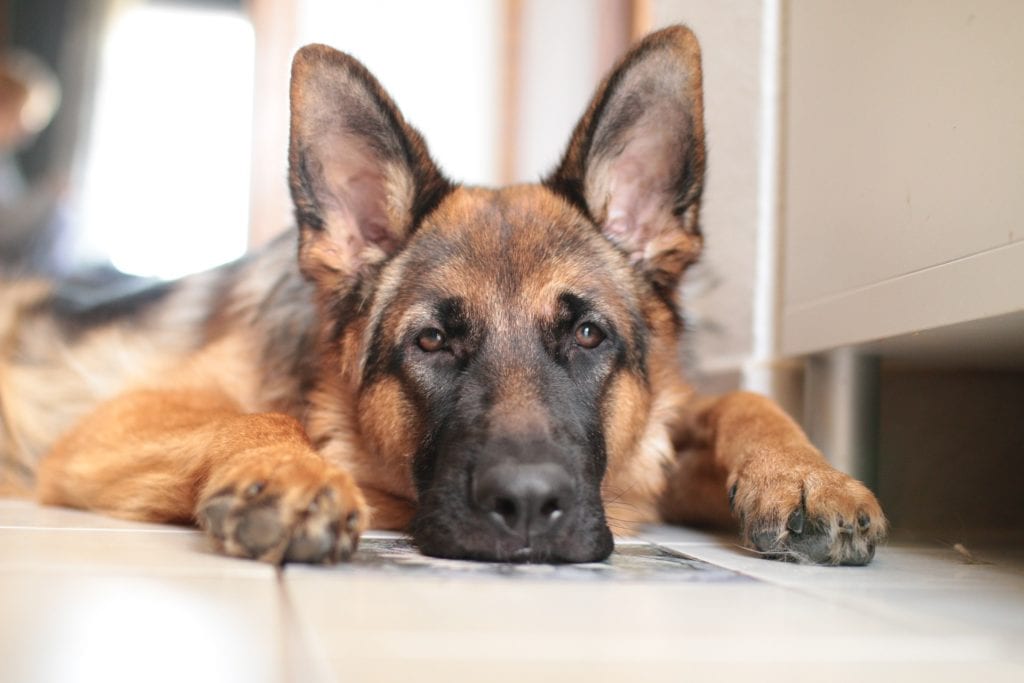
  • The Prick, Upright or Erect Ear is quite common and is characterized as sharp, pointed ears standing erect. The Alaskan Malamute, Siberian Husky, Cairn Terrier, Yorkshire Terrier, and German Shepherd are all examples of this type of dog ear.
Common dog ear types are the prick ear or upright ear seen on this German Shepherd
German Shepherd with Upright Ears

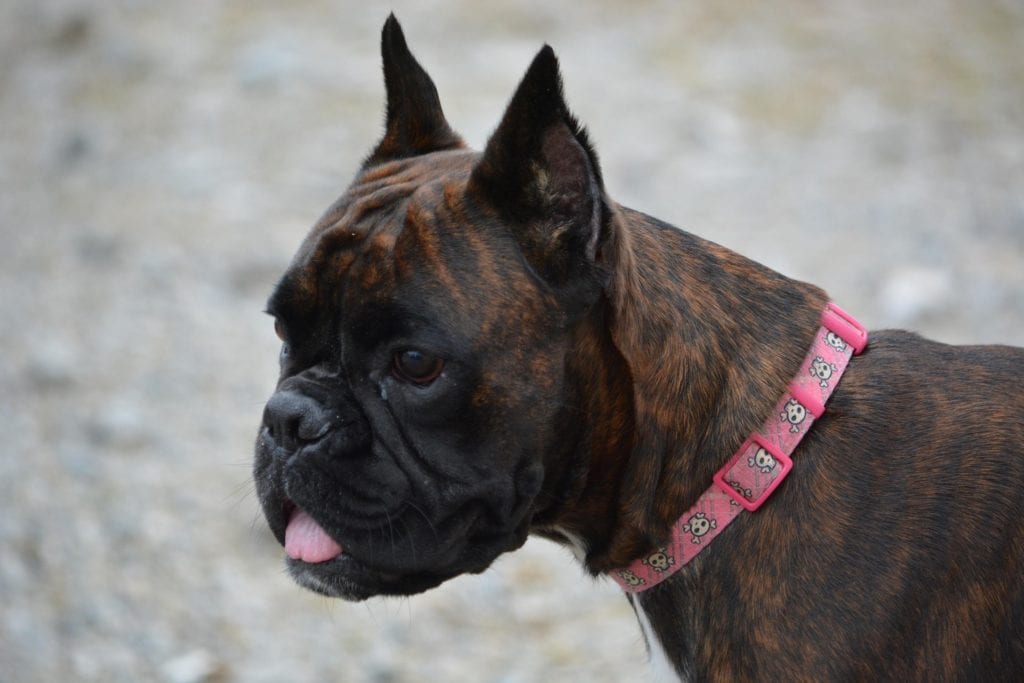
The Cropped ear is an erect ear that was achieved through surgical alteration. This is seen on Boxers and Dobermans.

Boxer with cropped ears
Boxer with Cropped Ears
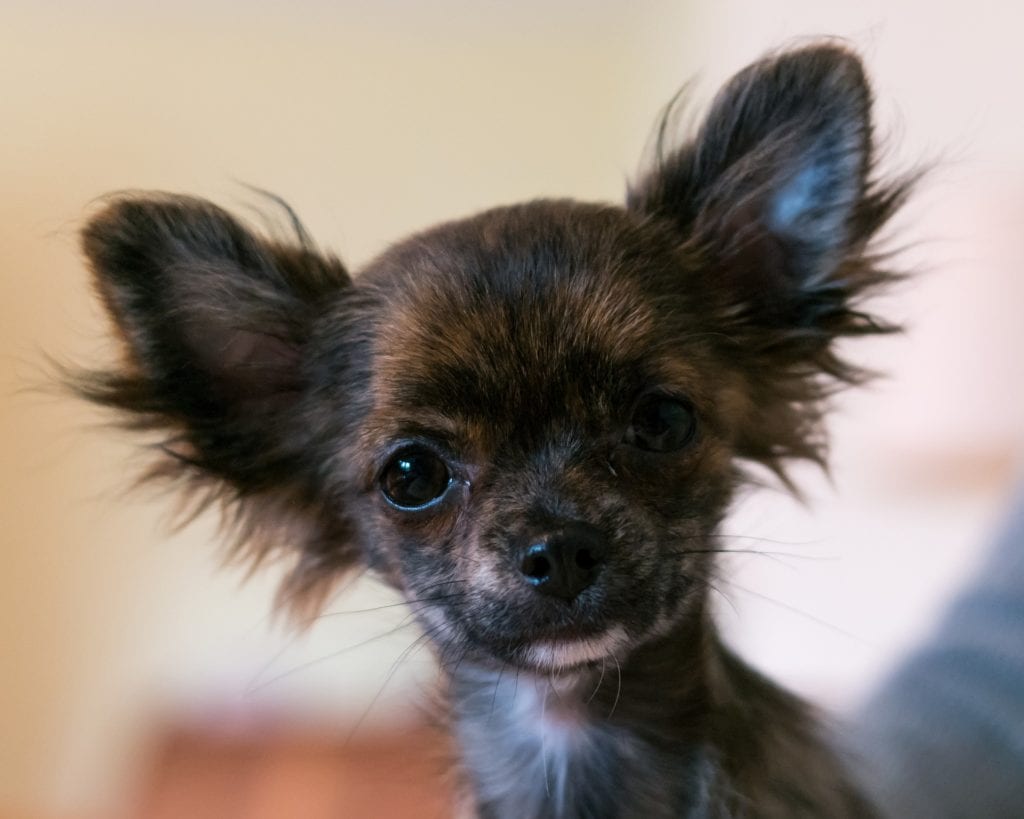
  • Bat Ears are characterized as ears that are upright and seem too big for the dog’s head. The ears angle out past the side of the head sort of like bat wings. The Pembroke Welsh Corgi and Chihuahua are seen with these ears.
Chihuahua with Bat Ears
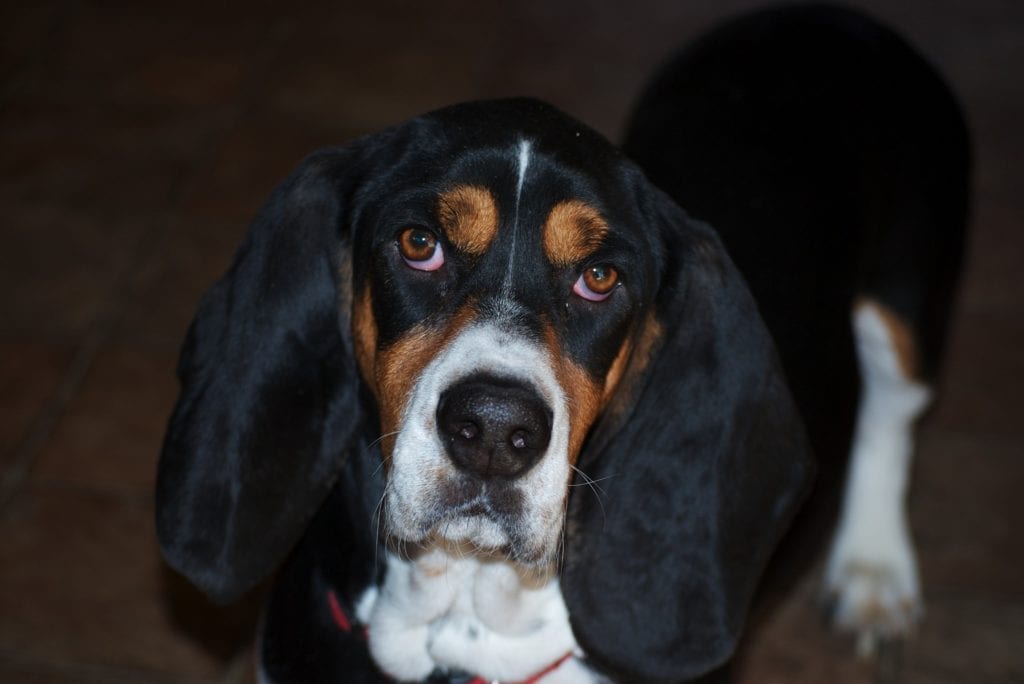
  • Drop Ears hang down from the dog’s head where most are set upright at the base in some form or fashion. Drop ears come in a wide span of shapes and sizes, but the Bassett Hound has the longest and the droopiest.
Bassett Hound with drop ears
Bassett Hound with Drop Ears
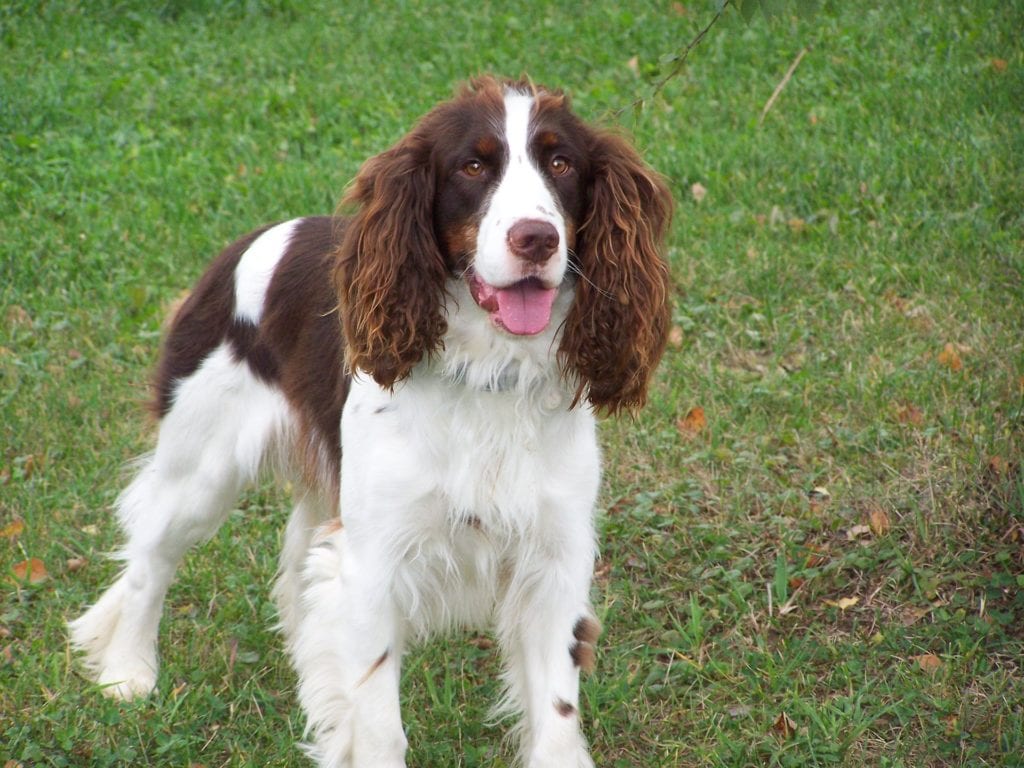
  • Folded Ears also lie against the dog’s head, but unlike drop ears that hang down at the base, the folded ear sits up away from the face and then folds down. Bloodhounds and many field spaniels sport this type of ear.
English Springer Spaniel with Folded Ears
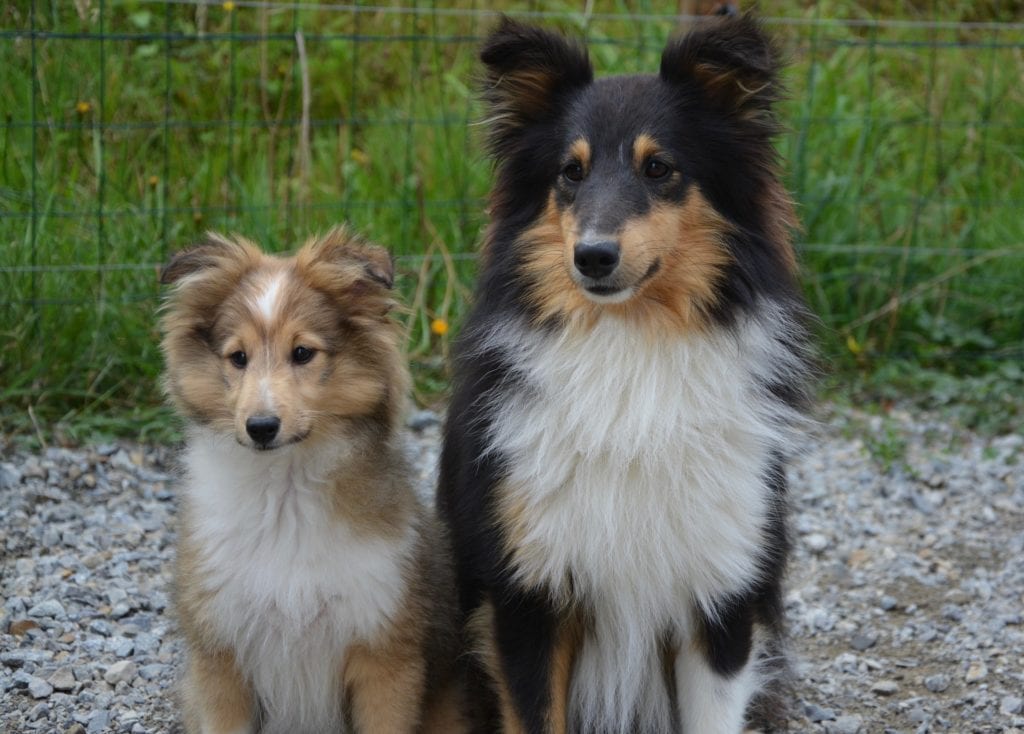
  • The Cocked or Semi-Pricked Ear is exactly that. It’s an upright ear with the top part bent over sticking forward. Collies and the Shetland Sheepdog are known for these ears.
Shetland Sheepdogs with Cocked Ears
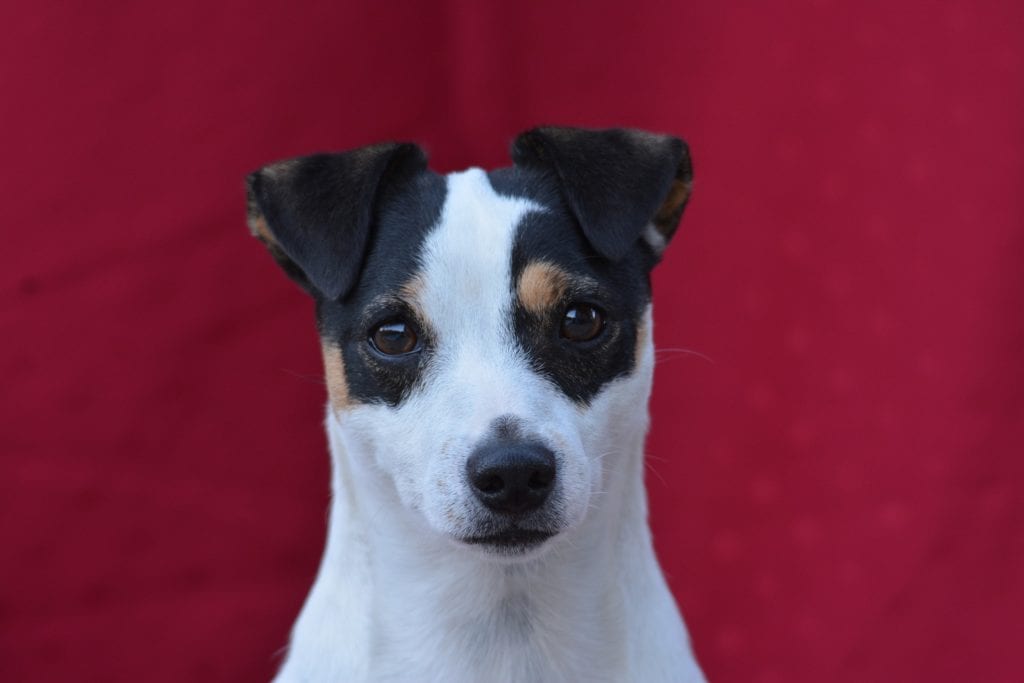
  • The Button Ear is seen on a Jack Russell Terrier, some Pugs, and the Jack Parson Terrier. This is an upright ear but then it’s folded over to completely cover the inside of the ear.
Jack Russell Terrier with Button Ears
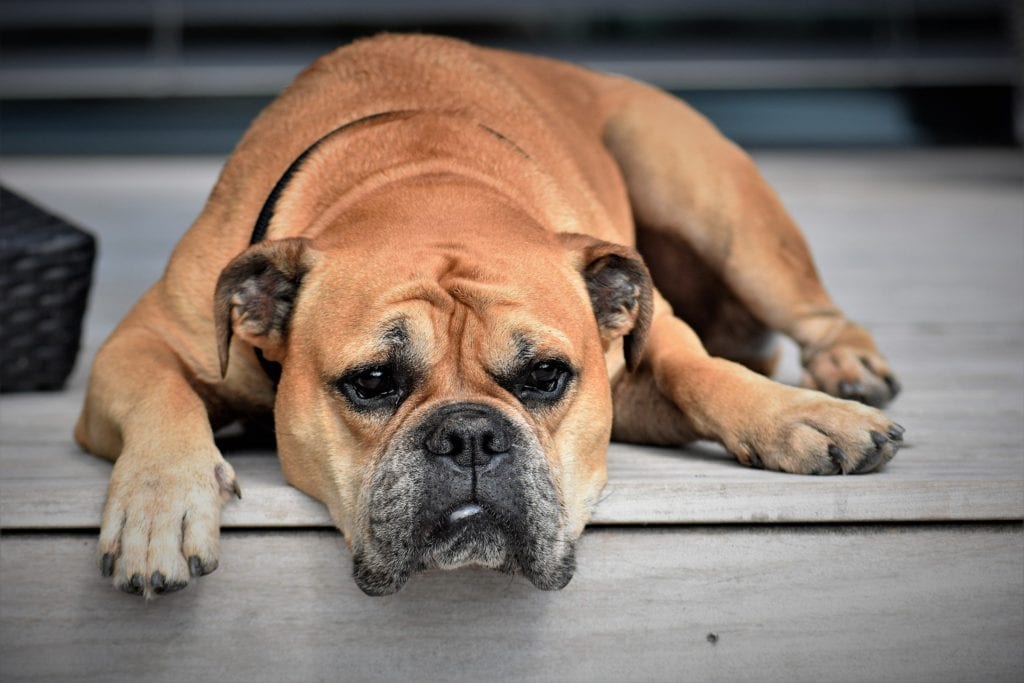
  • The Rose Ear is another upright ear, but it falls backwards not forwards. The ear folding to the back causes the top part to fall to the side creating the appearance of a rose petal. Greyhounds, Whippets, Italian Greyhounds and Bulldogs all have this type of ear.
Bulldog with Rose Ears
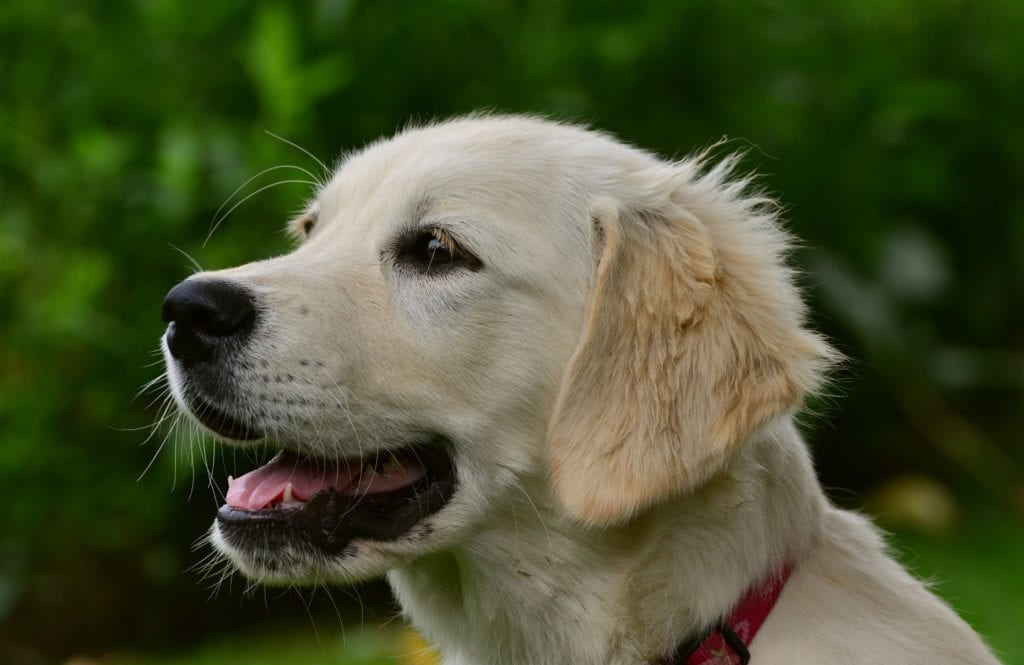
  • A V-shaped Ear is upright at the bottom and the flap folds forward from the base. The flap is flat and creates a triangular shape with rounded corners. The Bullmastiff, Golden Retriever, Labrador Retriever, and other retriever breeds all have this ear type in common.
Golden Retriever with V-Shaped Ears

Other Unique Dog Ear Types

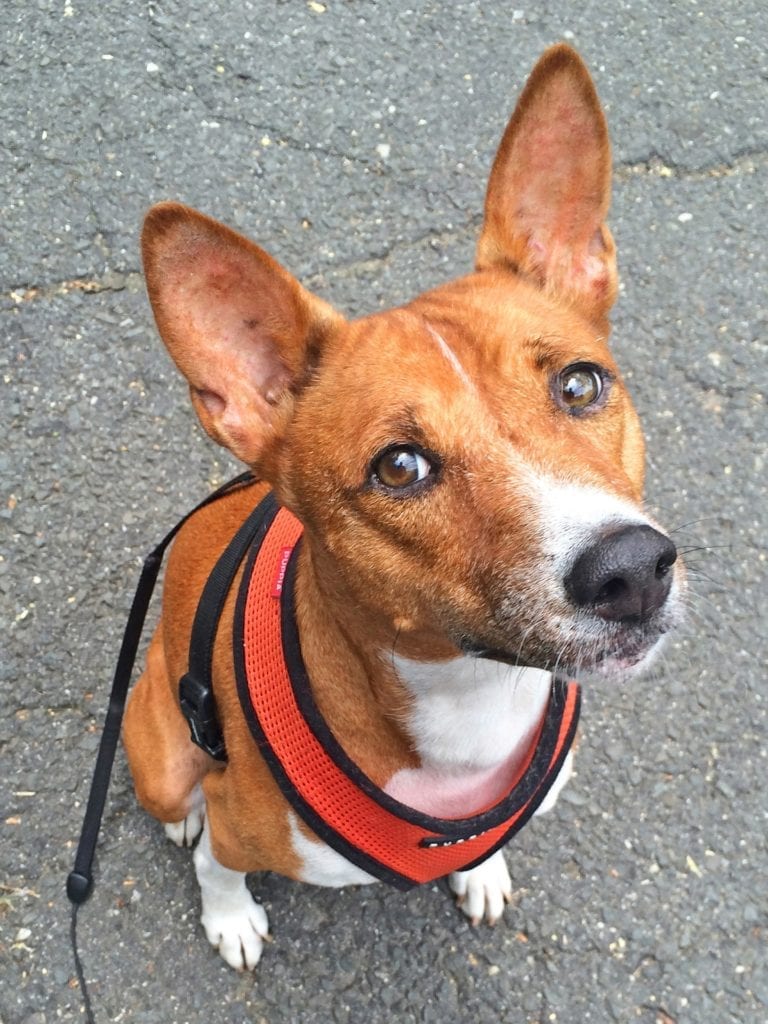
  • Hooded Ear is another version of the upright ear, but these ears curve inward just a little. The Basenji is an example of this ear type.
Basenji with Hooded Ears
  • The Candle Flame Ear will only be found on the English Toy Terrier. No other dog breed has these unusual upright ears that curve inwards slightly, like that ears of a Basenji. The candle flame appearance comes from the narrow base and wider middle then coming to a point on top.
  • The Filbert-Shaped Ear is only seen on the Bedlington Terrier. This is a V-Shaped ear that has the tip covered in a tuft of fur.
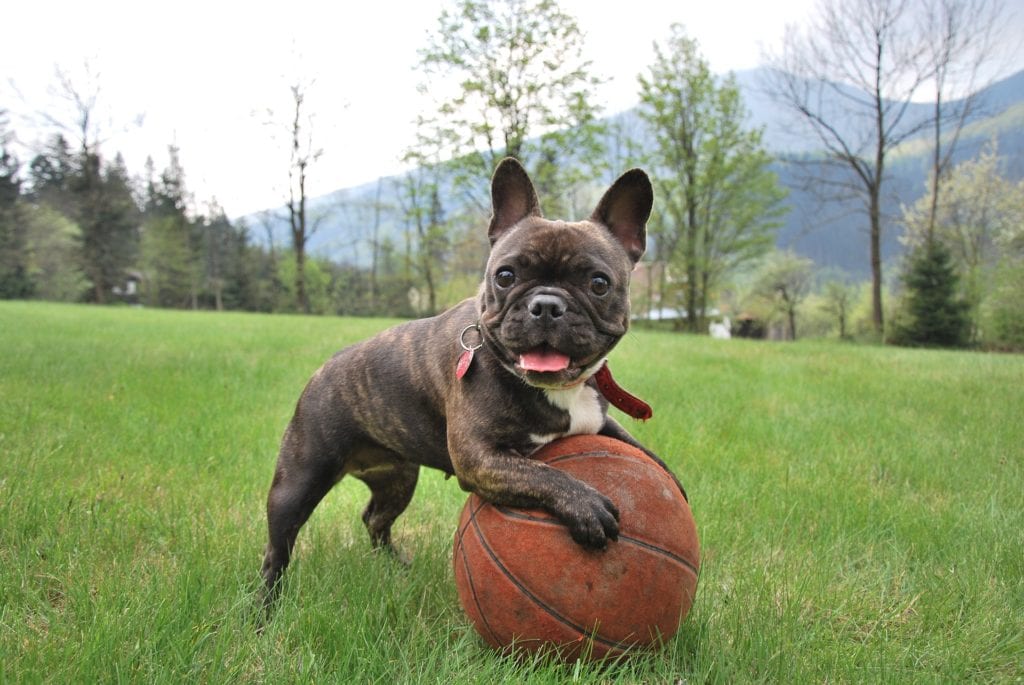
  • The Rounded or Blunt-Tipped Ear is characteristic of the French Bulldog and the Chow Chow. These are upright ears without a point. They instead have a smooth, rounded edge.
French Bulldog with Rounded Ears
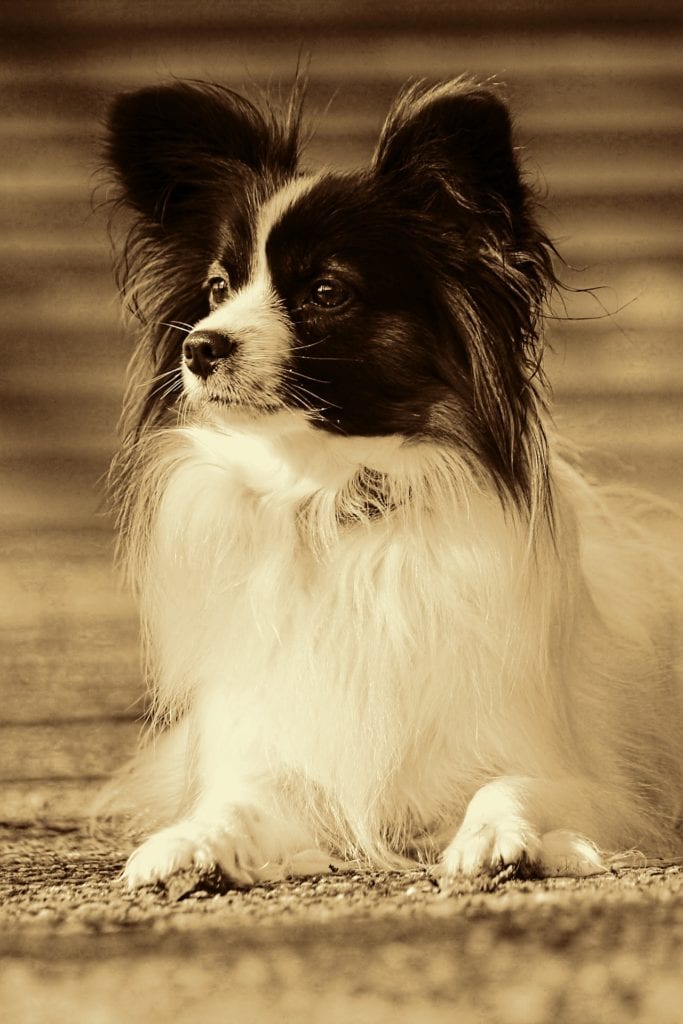
  • Butterfly Ears can be found on the Papillion. These are upright ears set at ten and two on the dog’s head and tend to move like a butterfly’s wings when the dog is in motion.
Papillion with Butterfly Ears

Did you identify your dog? There are common dog ear types and a few specialized ones. Each makes the face special. Ears say a lot about your dog and they complete their face.

Whatever your dog’s ear type. Keep them happy by giving them the freedom to go outside and in, as they please, with a PlexiDor Dog Door. They are durable, energy efficient, guaranteed and warrantied. Available in sizes for any breed small, medium, large and extra-large. Contact our Customer Service team today at 888-PET-DOOR.

Saluki Sighthound: Hunting Dog of Kings

The Saluki sighthound, meaning they hunt by sight rather than smell, is one of the oldest breeds of dogs. There is a lot of archeological evidence that has been found to support this. Images have been found on mosaic sculptures and in tomb paintings that date back 5000 years of slender dogs with feathered ears, tails, and legs. These dogs originate from Fertile Crescent in the Middle East. This “Royal Dog of Egypt” has been found mummified in tombs along the upper Nile with Egyptian Pharaohs. They were known as a hunting dog to pharaohs and kings for thousands of years.

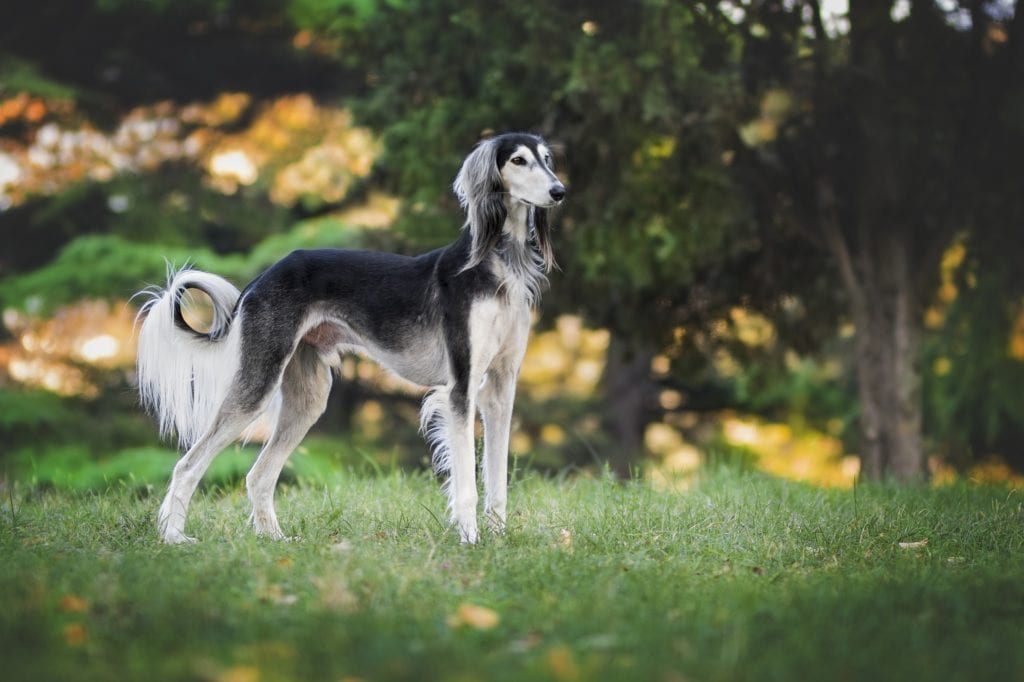
This feathered Saluki Sighthound is beautiful with black and white coloring.

Saluki Sighthound Speed

Salukis are graceful and agile sprinters. They average 30-35 miles per hour and have been clocked at 50 mph. Since they hunt by sight, it is paramount they keep up with their prey and this breed is swift. They were bred by Arab tribesmen for speed and endurance to bring down gazelle. Their slim, long-legged build is surprisingly strong and athletic. They have the stamina to keep up with the quickest of prey.

Characteristics

They are a gentle breed, dignified and loyal. The saluki sighthound is thought to be independent or sometimes aloof, although not difficult to train. They enjoy running and staying active and require and healthy dose of mental stimulation. With proper nutrition and good care, this breed will live 10-17 years.

Males will be 23-28 inches at the shoulder with females typically being smaller in stature. They weigh between 40-65 pounds depending on their sex. Their large oval eyes can be dark to hazel in color. The breed standard has an expression that is gentle and dignified with eyes that are deep, faithful and far-seeing.

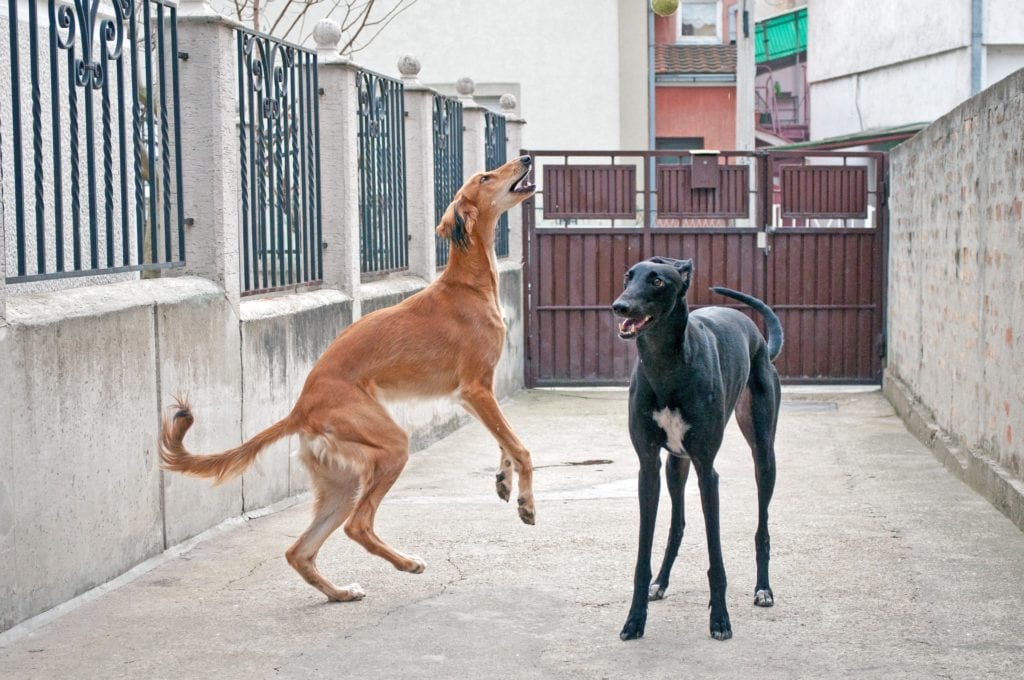
The Saluki sighthound loves to stay active like these two dogs playing with a ball.

The Saluki has a short coat, soft and silky to the touch. The breed comes with coats either smooth or “feathered”. Feathered being they have longer hairs on their ears, legs and tails. Their coats are easy to care for requiring only a weekly brushing and an occasional bath when necessary. These hounds are not prone to smelling bad and bathing more often is not necessary. Their beautiful coats make them adaptable to virtually any climate. These dogs can be found in many colors and patterns including white, fawn, cream, tan, red, gold, grizzle, and black.

Care

The Saluki sighthound requires daily walks and regular runs, at least twice a week. They do best with a large backyard where they are able to stretch their legs as they please. Along with basic obedience training, some type of canine sport training is also a good idea. These are active dogs and should be kept busy.

Salukis enjoy both mental stimulation and exercise and would be a good fit for lure coursing, exhibition jumping, flyball and agility training. When bored they have been known to get into mischief like escaping over fences and chewing things up. A strong fence at least six feet high and plenty of sturdy chew toys is suggested. It is in an owners’ best interest to keep their Saluki occupied and exercised.

Your Saluki sighthound can best be served to access their large backyard by a dog door. PlexiDor Dog Doors can be installed through a wall, door or glass and come in both a standard and electronic model. The Saluki would require a large size PlexiDor. These durable, energy efficient doors are guaranteed and warrantied. You’ll love how beautiful this product looks in your home. Contact our Customer Service today for questions on your new PlexiDor Dog Door or call 888-PETDOOR.

Can We Enlarge the Patio Door Opening?

Wanting to Upgrade Our Patio Door

Whether you are able to enlarge the patio door isn’t really the question. The real question is, “how much will it cost?” No matter what you have planned, going from a single to a double French door or updating that old slider for sleek folding glass doors, the cost involved is directly related to if the wall is load-bearing or not.

A load-bearing wall supports the weight of the roof. When the wall you’re putting a large hole in supports a lot of weight, there are additional structural factors that need to be taken into consideration. This is where you bring in a structural engineer to determine what type of building materials need to be used and to advise on the appropriate building permits.

If you are not a DIYer on this scale, it is recommended you hire a structural engineer to file the permits and to suggest a professional contractor to enlarge the door opening and install the door. That leaves plenty of time for you, the client, to pick out the new door for the contractor to order. The goal is to the get the permits approved around the same time the door package arrives from the manufacturer. This is less about careful planning and has more to do with blind luck. Planning the project out completely before actually starting will save you heartache in the end.

To Enlarge the Patio Door:

To begin, the contractor will get rid of the wall where the new door will go from stud to stud. Then, take off all the sheetrock, trim, baseboards and crown moulding and remove all the insulation from inside the exterior wall. He will check for electrical and plumbing inside the wall. If there is electrical and /or plumbing, they will need to be re-routed by professionals in their respective trades. Electrical and plumbing changes can be costly.

Before cutting through the outside wall, the contractor may opt to put up some kind of temporary weather shield to protect your home from the elements until the door installation is complete.

The contractor will then saw through the outside wall. Sawing through the exterior wall can be tricky depending on the substrate of the wall. The old door hinges and frame will need to be removed as well. The header of the old door will need to be replaced by a new laminated veneer header that spans the distance of the entire new doorway on newly installed trimmers or jack studs. (See diagram)

The door is finally ready to be installed and then finishing work on both the inside and outside walls is completed. It is, of course, more detailed than that for the contractor, but that gives you a quick run down of what to expect from the process. While installing new glass doors to enlarge the patio door, consider upgrading the door further by adding a dog door. PlexiDor Dog Doors Glass Series inserts come in a range of pre-fabricated sizes ready for installation. They are a wonderful aesthetically pleasing addition to any remodel and are energy efficient, guaranteed and warrantied. Contact our Customer Service for questions or call 888-PETDOOR with any questions. We are always happy to help!

Planning a Dog Friendly Road Trip

Pulling off a stress-free, dog friendly road trip can go smoothly with the proper planning and preparation. It is well worth the extra effort in the end for an easy-breezy trip to prep before you set off. It’s also worth it to have the company of your best friend by your side.

Plan your trip well. Reserve pet friendly accommodations that are a realistic distance from each stop. Don’t try to cover too many miles in one day. Also, keep in mind some hotels may have limitations on their “pet friendliness,” so be sure to ask questions about breed and weight restrictions and whether there are additional fees for dogs. You may need to make more frequent stops with your dog along for the ride. Take the opportunity to see the cities and towns you pass through along the way. There are many dog friendly restaurants and other attractions throughout the country that you can explore. After all, isn’t getting there half the fun?  Check out GoPetFriendly for fun ideas on things to do in, around and on the way to your destinations.

Before you set off, be sure your dog is caught up on all their vaccinations and make sure to take proof of those with you on your trip. If you need a shot or two, while at the vet ask about remedies for car sickness and uneasiness. If your dog isn’t microchipped, you may consider getting this done before you set off. Should your dog get separated from you, a microchipped pet has a better chance of being reunited with its owner.

The trip is all planned and vaccinations are current. It’s time to get the car ready. Your dog should be secured in a rear seat in either a crate or a harness while the car is in motion. This is safer for the dog and prevents distraction for the driver. Be sure to deactivate the airbag for the seat the dog will be in. If they are not already, familiarize your dog to the crate or harness before the road trip. Spend small amounts of time wearing the harness or being in the crate and then work up to going for short rides in the restraint and then longer ones. Getting your dog used to riding will make the trip more enjoyable for both of you.

Of course, don’t forget to pack all the items your dog will need while you’re away from home. Here’s a list to help you pack.

Dog Friendly Road Trip Packing List:

  • Food and treats; if necessary, a can opener for wet food
  • Medications, vitamins and supplements
  • Drinking water
  • Food and water dishes
  • Dog bed and some toys
  • ID tag and collar
  • Leash
  • Waste bags
  • Paper towels/wet wipes
  • Old towel(s)
  • First aid kit
  • Proof of vaccinations
  • Medical records
  • Photo of your pet

As always, when going anywhere with your dog be considerate of others. Put a good face forward for dog owners everywhere. Clean up after your pet, keep them on a leash and be safe. Some days may not go as planned. The best solution for these situations is to adjust. Pets, like children, bring a certain amount of unpredictability to our lives. As pet owners, we love them for it and have learned to adapt. Keep these things in mind while preparing for your dog friendly road trip this year and you and the pooch will have a great time! PlexiDor Dog Doors wishes everyone safe travels while out enjoying the open road and encourages everyone to crate or harness your dogs in the car for safety’s sake. Happy travels!

Looking to Install a Dog Door in a Glass Door?

Some homeowners may have no other choice but to place their dog door in the French glass door or sliding glass door of their home. So, the ease of a glass door insert is the perfect option. The glass door insert does not obstruct the light coming in through the glass and does not interfere with the way the door functions. In most cases, installation is easy enough to handle yourself with a few tools you probably already have around your house and if you aren’t handy, PlexiDor Dog Doors has an extensive list of installers available to do it for you.

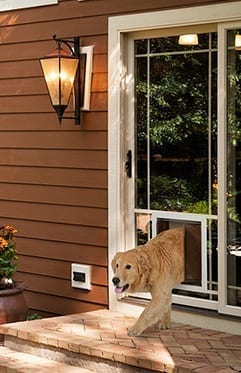
Dog using dog door in sliding glass door

PlexiDor Glass Series Dog Doors are pre-fabricated for use in sliding glass doors, French doors and most other glass house doors. The PlexiDor Glass Series units are designed to replace the existing glass panel in the door. The durable dog door comes to you factory installed in double pane glass in a one-piece frame.

The inserts are available in sizes to fit most sliding glass and French style patio doors and is available in both regular, clear glass and low-E glass. The dog doors are available in a range of sizes; small (SM), medium (MD), large (LG) and extra-large (XL). There is a door to fit every breed. View our size chart to find the right door for your dog.

The dog door through the glass door option looks elegant and natural in your home. The dog door and frames are available in white or bronze. Along with the insert, the French door kits come with instructions to install the door yourself, should you decide to do so. There is also a steel cam lock and two keys and a steel security plate to keep out unwanted intruders.

These doors are energy efficient and built to last. They come with a 90 day money back guarantee and a 10 year warranty. Our Customer Service team is available to answer any questions Monday – Friday 9A-4P ET or send us an email. We look forward to speaking with you!

Nova Scotia Duck Tolling Retriever

The Nova Scotia Duck Tolling Retriever, or “Toller” for short, is ranked fourth overall of the six retriever breeds in popularity. It is ranked 83rd overall of the 197 breeds recognized by the American Kennel Club. The word “toller” comes from their ability to entice waterfowl within gunshot range by frolicking in the shallow waters and along the shoreline. As a hunting dog, they were specifically bred for this task and are unique for it. Ducks are attracted to the sight of red foxes and move in closer to investigate them. Ducks mistake Tollers for a fox on the shore and become an easy target for the hunter’s rifle.

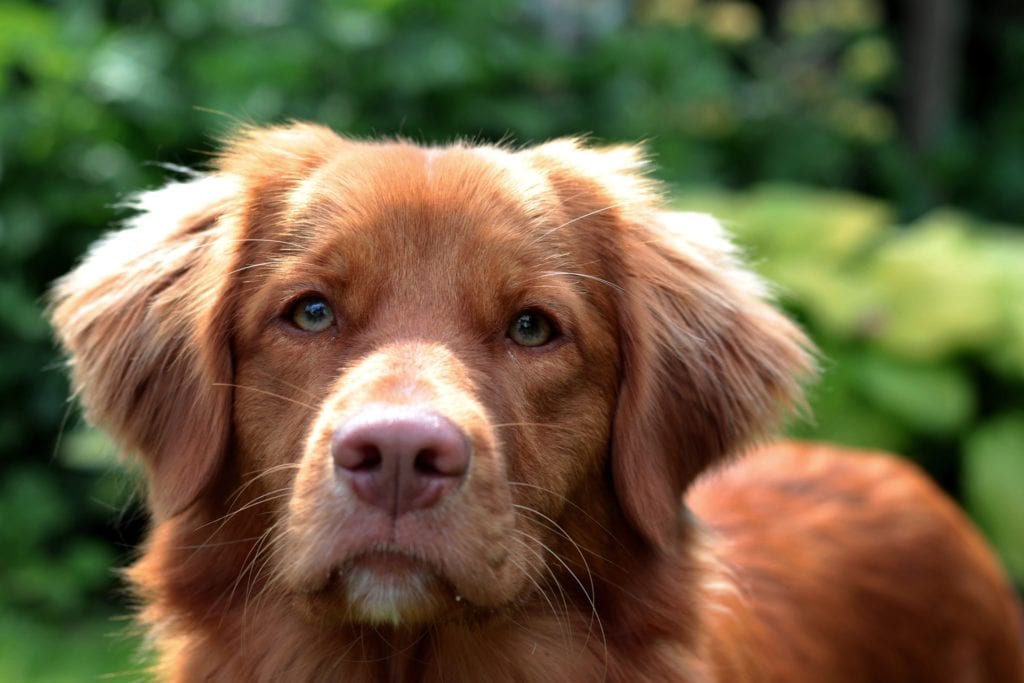
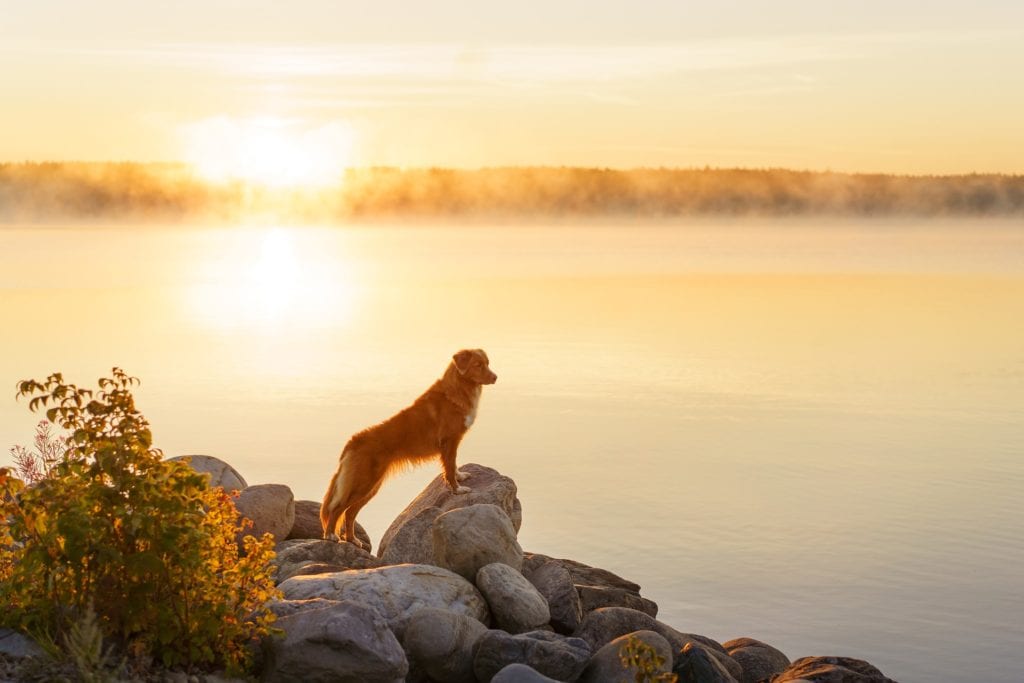
The Duck Tolling Retriever characteristically has white markings on its face, tail, chest and/or feet.

They are the smallest of the retrievers and more agile than most. Their athletic, compact body frame allows them to run and jump about tirelessly retrieving, always happy, with their tail wagging. Often mistaken for a small Golden Retriever, Tollers are affectionate and outgoing, but only weigh between 40-50 pounds and are an average of 19 inches tall depending on sex. A large PlexiDor Dog Door would be the best fit for this breed.

They are working animals, bred primarily for hunting, and happiest when they have a job to do. Eager to please, Tollers make good search and rescue animals. They were bred to retrieve from icy waters and have a water-repellent, double coat of medium length fur with a soft, dense undercoat. They also have webbed feet which makes them even better at maneuvering in water. Toller retrievers can be any shade of red from light golden red to coppery dark red.  A white marking on the face, tip of the tail, feet or chest is characteristic for this breed.

Tolling Retrievers need lots of exercise. They have lots of energy and will need to use it up playing and retrieving. You can’t throw the ball just once for a Toller. The game may never end, especially around water. They love the water!

Affectionate family dogs, Nova Scotia Duck Tolling Retrievers are gentle and good with children and other dogs and pets. They are intelligent and learn fast making them easy to train. Tollers have a unique, shrill bark known as the “Toller scream”. They can be quite vocal when excited, but is not a “barker”. They are low maintenance dogs requiring only a weekly brushing.

When choosing supplies for your active Toller, don’t overlook a dog door providing convenient access to the backyard for these vibrant dogs. You will need a product that is durable, warrantied, guaranteed and energy efficient for all the coming and going they will want to do. A PlexiDor Dog Door is the perfect fit. Contact our Customer Service department or call 888-PETDOOR to get any of your questions answered. Our service specialists are standing by!

What to Do About Stinky Dog Breath

A dog’s breath is not the most pleasant smell at the best of times, but stinky dog breath is the absolute worst! There’s nothing quite like dog kisses that smell like yesterday’s garbage. Bacteria is typically to blame for the bad breath and better oral hygiene can clear it up. In honor of Pet Dental Month, let’s take a look at the reasons behind bad dog breath and how to clear it up.

There can be many factors contributing to halitosis, more commonly known as bad breath.  However, the primary cause is bacteria in the mouth from plaque and tartar build up. This comes from food particles that stay on the teeth and gums. Regular brushing will eliminate the food particles and keep the plaque and tartar from accumulating in the first place. Experts recommend brushing your dog’s teeth at least three times a week to help remove plaque and prevent tartar build up. When you start your dog off as a pup with a regular brushing regimen, they can not only learn to accept teeth brushing, but enjoy it as well.

An older dog may be more difficult to introduce to brushing. Not to worry. There is a wide variety of dental chews on the market that taste great and clear off plaque and tartar. Some of these chews are mint flavored to freshen the breath as they chew. Holistic circles recommend raw carrots as an all-natural teeth cleaner and lemon juice can be added to their water to cleanse your dog’s breath.  

For extensive periodontal disease causing stinky dog breath, visit the veterinarian to see if your dog is a candidate for teeth cleaning. Only a vet will be able to determine if this is necessary. It may be brushing and dental chews will not be enough. Your pet’s dental health is an important part of their overall health.

Pet dental health is one way to keep our dogs happy and healthy. Another great way to keep our furry friends at ease at home is to give them the freedom to access the outdoors when they need to with a PlexiDor Dog Door. They come in a range of sizes to accommodate teacup Yorkies to Great Danes and every dog in between. Contact our Customer Service department at 888-PETDOOR today with any questions.

Dogs and Choking: Prevention and What To Do

There is nothing scarier than the sounds of dogs and choking. It is a common emergency with over 200,000 reported incidences in the US each year. Coughing; accompanied by signs of severe distress like pawing at the mouth, drooling, rubbing the face along the ground, gagging and retching are all indications your dog may be choking. There may also be signs that your dog is experiencing trouble breathing and/or a loss of oxygen, such as panting or discoloration of the tongue or gums. In this type of situation, it is important to know what to do beforehand and act quickly. You may not be able to wait for veterinary care to help your dog.

Not only is it important to know the auditory, physical and sensory signs of choking, but more importantly what to do in case of a choking emergency. When dogs and choking go together, it’s easy to panic yourself. When your dog is in distress, what do you do?

Dogs and Choking: What To Do?

Well…  Your dog may start to panic. Keep them restrained so they are not able to hurt themselves or you. Next, check for external factors and remove anything around the neck that may be causing the distress. Look inside your dog’s mouth and remove any foreign object blocking the airway. Be careful not to push the object farther back into the passageway or put your fingers down the throat. The delicate tissues at the back of the throat are delicate and can be injured easily. Finally, has the choking dog retained consciousness.

It is best to get the dog to the vet as soon as possible when they are choking. Though your dog may have coughed out the blockage on their own, they should still be examined to see if medical attention is needed. Should your dog lose consciousness due to lack of oxygen, there is a Heimlich Maneuver for dogs.

The Heimlich Maneuver for dogs and choking issues

Heimlich Maneuver for Dogs and Choking

For small dogs: Hold your dog against your torso with their head up and their paws down. Place your closed fist in the dog’s stomach just under the ribs. Hold the fist with the other hand and make 4-5 rapid thrusting motions, inward and upward.

For large dogs: If the dog is standing put your arms around the belly, one hand a fist and the other closing around the fist placed in the hollow of the abdomen, same as above. Push firmly, 4-5 times, up and forward on the stomach to dislodge object from throat.

If the large dog is lying down, use the same method as above but with one hand placed on the back for support.

After performing the thrusting motion 4-5 times, check the airway again and clear debris from mouth. You may repeat thrusts if necessary.

Dogs and Choking Prevention

Of course, the best way to protect your dog from the dangers of choking is to do your best to prevent it in the first place. Exploring the world with their mouths is true of dogs and choking can be a reality. Many dogs will put lots of things in their mouths they should avoid and are able to choke. Follow these basic guidelines to help keep your dog from choking:

  • Be careful with the chews and toys you give your dog. They should be weight, breed and bite strength appropriate. An object that is too small can easily be swallowed whole and become a choking hazard.
  • Be safe and don’t leave your dog unattended while chewing. Small pieces can break off and pose a choking threat.
  • Be aware of the size and type of bones you give your dog. Take a look at this article on bone safety for dogs.

Preparation for the possibility of choking in your dog is recommended as a responsible pet owner. Information and education on pet safety are the best ways to love on your dog. Another way to keep your dog safe and secure is with a PlexiDor Dog Door. You can offer them the freedom to access to the outdoors and the safety of a lockable dog door. Contact our Customer Service for more information at 888-PETDOOR. We’re always happy to help!

How To Keep Dogs Comfortable This Winter

It may seem like it’s been here forever, but we only just officially entered the Winter months. Which means no matter your latitude, colder weather has come to your town and it may be necessary to keep some cold weather tips in mind for our four-legged friends. Winter brings the cold and damp and with it ice related maladies. Always be on the lookout for both hypothermia and frostbite in your dog and know the signs of each. In addition, keep the following basic guidelines in mind to keep your indoor dog comfortable this winter.

Cold Weather Tips for Your Dog’s Comfort

  • Limit your pets time outside in the cold months as appropriate by their breed and living arrangement. If you have an “outdoor dog” always provide shelter that is at least three inches off the ground and place some kind of insulation in the void under the doghouse like straw. Place additional straw and bedding inside the doghouse for the dog to nestle into. When it’s extremely cold, you should bring your dog inside.
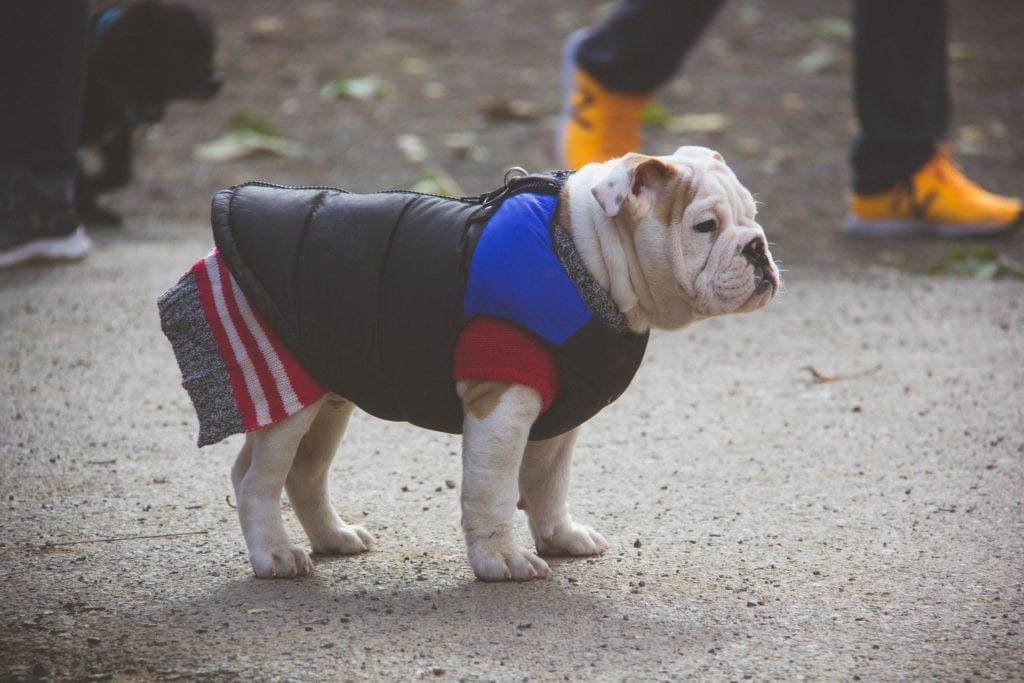
  • If it’s too cold for you without a coat, then it’s too cold for your short-haired dog. A cute sweater is a fashionable solution to the situation.
  • Of course, there’s times just a practical puffy coat is the way to go.
  • Attend to your dog’s feet and skin. Paws sometimes bear the brunt of harsh winter conditions. The winter months prove to be drier in some parts of the country; creating the need to moisturize in general to prevent and/or alleviate dry skin issues. Snow and ice present their own issues. Furry pawed pups may find snow accumulates on the fur around their pads and irritates it. The snow and ice may also be laden with chemicals or salt, used as ice melt, that can cause the dog harm as they lick it off their feet.
  • Keep your dog safe from potential hazards around the house, like antifreeze and heaters. Antifreeze has a sweet smell and taste for a dog with a deadly result. Space heaters, heating vents and fireplaces can all pose a risk should a cold dog get too close and singe or burn themselves.
  • Be sure Fido is well hydrated by keeping the water in his bowl fresh and clean.
  • Just as in the summer months, don’t leave your dog unattended in the car. While the summer concern is overheating; the winter concern is frostbite and hypothermia.
  • When out for a walk, keep your dog on a leash and make sure your dog is properly ID tagged and microchipped. Just in case he gets away or otherwise lost, the identification will ensure he gets back to you safely.
  • Groom your dog regularly. You should always bathe him inside and completely dry the dog afterward before going outside again. Be sure the undercoat is thoroughly dry as well as the top coat or your dog could get a chill.

The most important part of keeping your dog comfortable this winter is knowing your dog’s individual signals. Every dog is different and with observation, you will see your dog’s signals when he or she is cold. Factors that affect a dog’s individual threshold for the cold are age, fur type, fur length, breed, climate acclimation, and health. At home, give your dog easy, available access to and from the outdoors. An easy way to give your dog some dominion over how long they spend outside this winter is by installing a PlexiDor Dog Door. Contact their Customer Service at 888-PETDOOR for more information.

7 Dog Friendly Cities to Live In and Visit

We have departed from the days when the only treat in town for the dog is a biscuit at the local bank or pharmacy. Today truly dog friendly cities are gauged on the number of dog parks there are and restaurants serving cuisine created for dogs. Urban centers from all corners of the country are at the top of the list for catering to the canine.

Off-leash dog parks are a great place for a dog to romp

What makes a city dog friendly you ask? It is more than an off-leash park and a sausage specifically on the menu for the dog. These cities offer more. Criteria to make this exclusive list include considerations for your pet’s health and wellness like an ample number of veterinarians and lower average vet costs. Also reviewed are the number of dog trainers, caretakers and dog-friendly businesses in the area.

There are a healthy number of pet-friendly restaurants including some indoor dining establishments indulging our four-legged friends in these top ranked cities. All types of restaurants include dog friendly items on the menu; from cafés and seafood, to breweries and ice cream shops.  Grand hotels show their pet friendliness by providing pet beds, bowls and treats to pup patrons.

Outdoor dog friendliness is of equal importance to health. A dog’s outdoor life lends itself to their overall social, mental, and physical health. This includes walkability, weather and the number of parks available for outdoor recreation. Our list of cities boasts off-leash play areas, gorgeous landscaped gardens, acres of hiking trails for leashed pups, and off-leash beaches for swimming. Other less common dog friendly activities offered in these cities are kayaking, tourist attractions, yoga and seaplane tours.

Top Dog Friendly Cities in America

  • Austin, TX – A great place to try yoga with your dog!
  • San Diego, CA – Boasts one of the first off-leash beaches in the country and great weather in Southern California!
  • Portland, OR – Home to the most dog parks per capita in the country.
  • Seattle, WA – Company located here offering pet-friendly seaplane tours
  • San Francisco, CA – Most tourist attractions are pet-friendly including Fisherman’s Wharf, the Embarcadero and Golden Gate Bridge from 5PM to dusk daily.
  • Tampa, FL – Combine the dog park with a day at the beach at an off-leash beach with swimming!
  • Boston, MA – Furnishes pet-friendly historic tours of the city and surrounding area for dog loving tourists.
  • Colorado Springs, CO – Stay in a 5-star hotel that provides pet beds, bowls and dog treats to your furry friends.

If you’re looking to relocate or just taking a trip and the pooch is of primary importance in your plans, consider one of the above cities. They take “dog-friendly” to a new level. PlexiDor Dog Doors is located just around the bay from Tampa in Bradenton, FL and we love it! Contact us for assistance making your house more dog-friendly with a PlexiDor Dog Door at 888-PETDOOR. Our Customer Service team is knowledgeable and always happy to answer any questions.

Pembroke Welsh Corgi

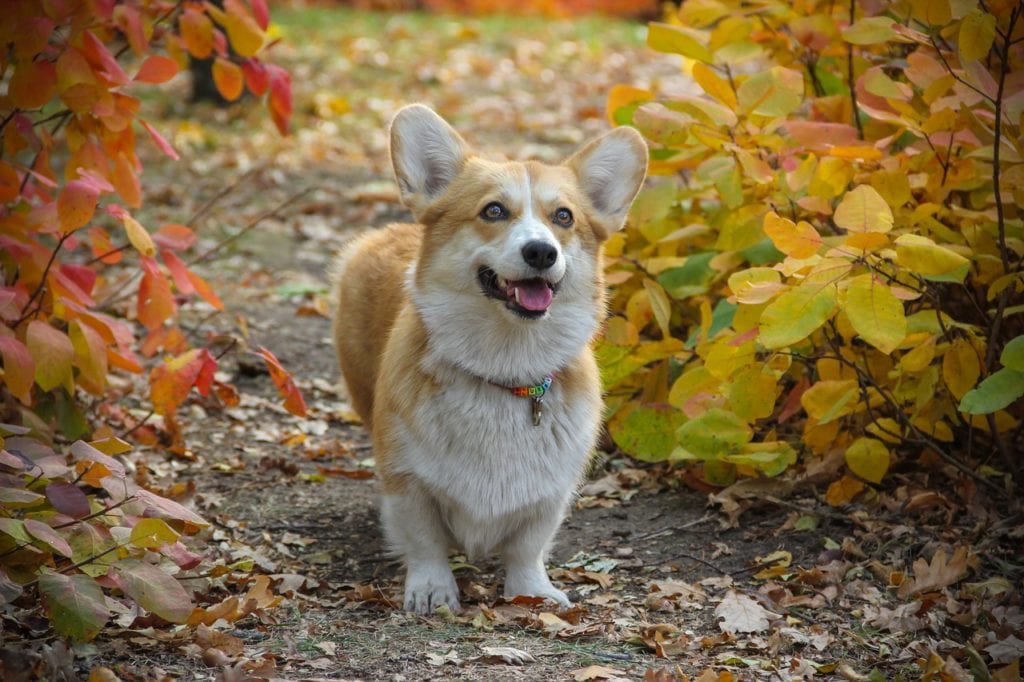
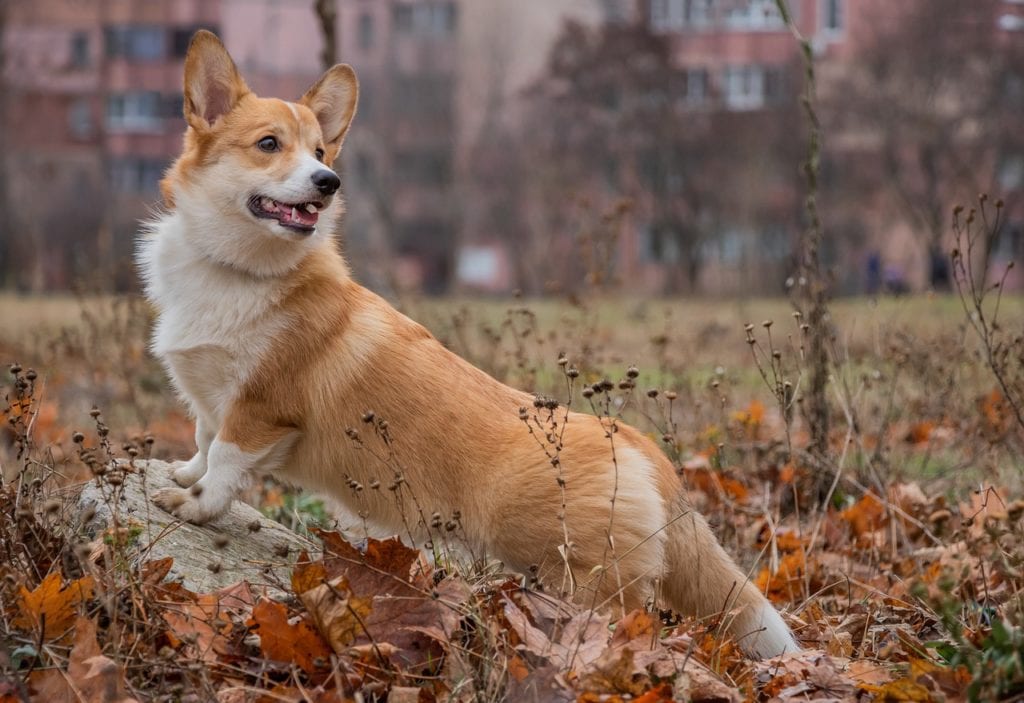
The Pembroke Welsh Corgi is well-known for being Queen Elizabeth’s dog of choice. These short, squatty little dogs with satellite ears have been a constant companion to the Queen Mother since 1933. Perhaps not surprisingly, this breed is popular with Americans as well and ranks number ten on the American Kennel Club’s 2020 Most Popular Dog Breeds list.

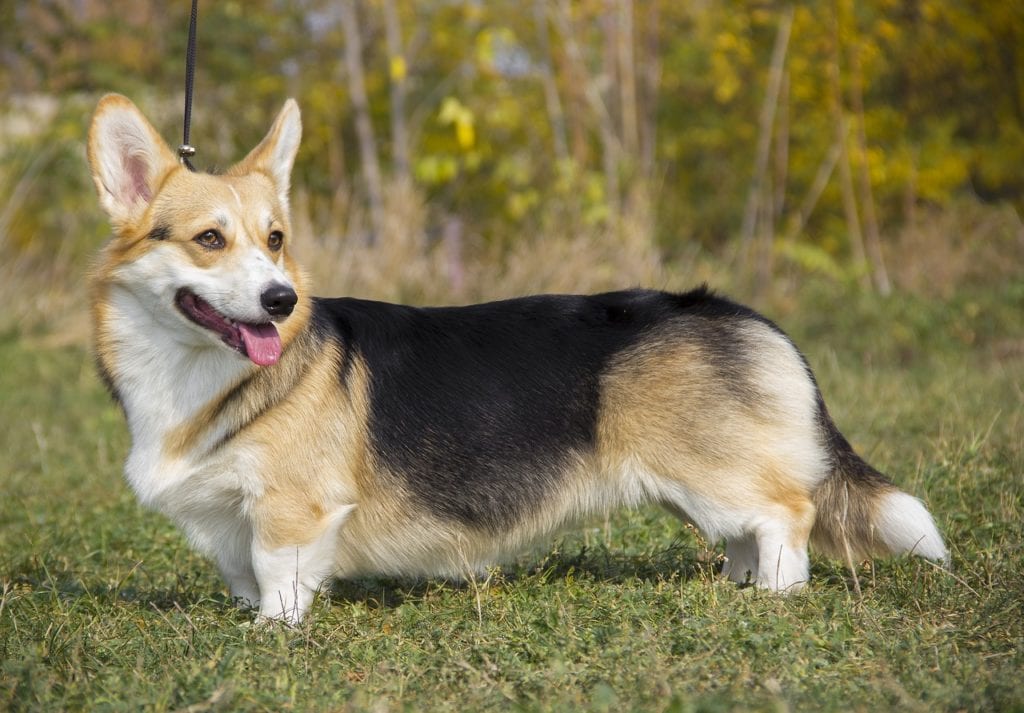
Pembroke Welsh Corgis  make great family pets.

Pembroke Welsh Corgi Overview:

  • Outgoing, energetic, highly intelligent, playful, friendly
  • Respond well to positive, rewards-based training
  • Height: 14 to 17 inches
  • Weight: 22 – 30 lbs
  • Life Expectancy: 12-15 years
  • Not hypoallergenic
  • Group: Herding
  • Colors: Fawn, Sable, Black & Tan, Black & White, Red

Pembroke Welsh Corgis are long and low to the ground. They possess short, powerful legs and muscular thighs. Their deep chests allow them to keep up with a full day’s work herding cattle or sheep. Necessary traits for herding, these dogs are quick and agile and have a surprisingly “big” bark for their size. Corgis do have a tendency to bark.

Welsh Corgis make good watch dogs. They are loyal and loving pets and have middle-of-the-road care requirements. They are active dogs and require moderate daily exercise, 20-4- minutes a day. A long walk or slow jog is best as their short legs would not be able to keep up on a bike ride. Their waterproof, double coat needs to be brushed daily to help with shedding.

Pembroke Welsh Corgis they are working dogs at heart. As a herding dog, they like to have a job to do. Keeping your Corgi engaged will lead to contentment for both of you. When they aren’t busying themselves with a task, they want to spend their time with their people. They are affectionate, loyal and like attention. They are happiest spending time with their families.

Overall, Pembroke Welsh Corgis are a healthy breed. As always be sure to use a reputable breeder that will screen for stock health conditions in the breed.

History of the Breed

The Corgi came to Britain by way of the people of Flanders, from what is now northern Belgium, in 1107. As master weavers, they had been invited to relocate to southwestern Wales to live and work crafting carpets, textiles and tapestries by Henry I of Britain. Their skills were highly valued by the crown. They re-created their way of life in their new home which included bringing their small herding dogs.

The corgi eventually split into two distinct breeds in the late 1800s, the Pembroke Welsh Corgi and the Cardigan Welsh Corgi. The Pembroke is the more popular of the two. Th Pembroke’s characteristic features are pointed, erect ears and a shorter tail than the Cardigan.

These energetic, playful little dogs make great pets. Pembroke Welsh Corgis are loyal and loving and would require a medium PlexiDor Dog Door for access to their backyard environment. Contact our Customer Service team with any questions or call 888-PETDOOR. We are always happy to help!

PlexiDor Electronic Dog Doors

Electronic dog doors take the convenience of a dog door a step further and provides the security of only opening when your pet needs to use it. The PlexiDor Electronic Dog Door is only triggered to open when your pet approaches wearing the state-of-the-art RFID technology key, clipped onto the collar of your dog or cat. The collar key automatically reads the pre-programmed code to open and close the door, allowing your pet access while keeping other animals out.

There are three waterproof collars keys included with your electronic dog door; each collar key weighs less than an ounce. The keys securely clip onto your dog’s collar and no batteries are required.

The length of time the door stays open is adjustable to suite your needs. Then, the dead bolt automatically locks to ensure the security of your home through a ¼ inch steel deadbolt locking system. The unit can be plugged into a standard household power outlet or can be directly hard wired. The heavy-duty aluminum frame and composite panel door are built to last. There will never be a need for replacement flaps again.

The PlexiDor electronic dog doors can be installed in an exterior house door or a stud, brick, block or cement wall up to 12 inches thick. An aluminum tunnel is included with the door to connect the interior and exterior frame on the wall unit models.  PlexiDor has installers in all 50 states and Canada. The PlexiDor Electronic is available in bronze and white for both the door and wall applications and will accommodate dogs up to 125 pounds.

The units are manufactured in the United States. The PlexiDor Electronic Series has a 5-year residential warranty. All our PlexiDor products include a 90 day money back guarantee. Contact us anytime via email or call our Customer Service department. They are happy to assist with questions Monday through Friday 8AM – 5PM EST at 888-PETDOOR.

The French Bulldog: Most Popular Small Dog

The most popular small dog among Americans, according to the AKC (American Kennel Club), is the amiable and very adorable French Bulldog. They rank fourth overall on the 2020 Most Popular Dog Breeds list and lead the pack for small dogs. Frenchies stay under 28 pounds and are about a foot high fully grown. Their coats come in a range of colors including cream, brown, and black. Their most distinctive feature is the “bat ears” that stand up off the top of their head.

Except for the ears, Frenchies resemble a bulldog, but in miniature. They have the same stocky, muscular build of the Bulldog covered with a short, smooth coat of fur. They have large, square heads with heavy wrinkles and folds of skin around their short, stubby noses. Their small stature and good-natured disposition, coupled with the fact that they seldom bark, has made them a favorite among apartment dwellers. They do not require a lot of outdoor exercise which is also perfect for city life.

While well suited to the city, they make excellent pets for anyone and are great with kids. Their alert and playful nature make them great watchdogs in any environment. The French Bulldog is a very adaptable breed and is just at home in a couple’s New York flat as it is in a suburban family of five’s split-level ranch in the suburbs. They get along well with people and other animals alike and make great family dogs.

Training for your Frenchie puppy is recommended for proper socialization and to curb their propensity to be stubborn. They do want to please their owners, so they are easy to train. The proper motivation, such as treats, make training easier. The French Bulldog is susceptible to obesity, so give treats in moderation.

Frenchies don’t shed much and are considered low maintenance dogs. They only require a weekly brushing to remove shed hair and an occasional bath. Their facial folds should be given regular attention to ensure they are kept clean and dry. It is important to keep your dog’s nails trimmed so that long nails do not cause pain.

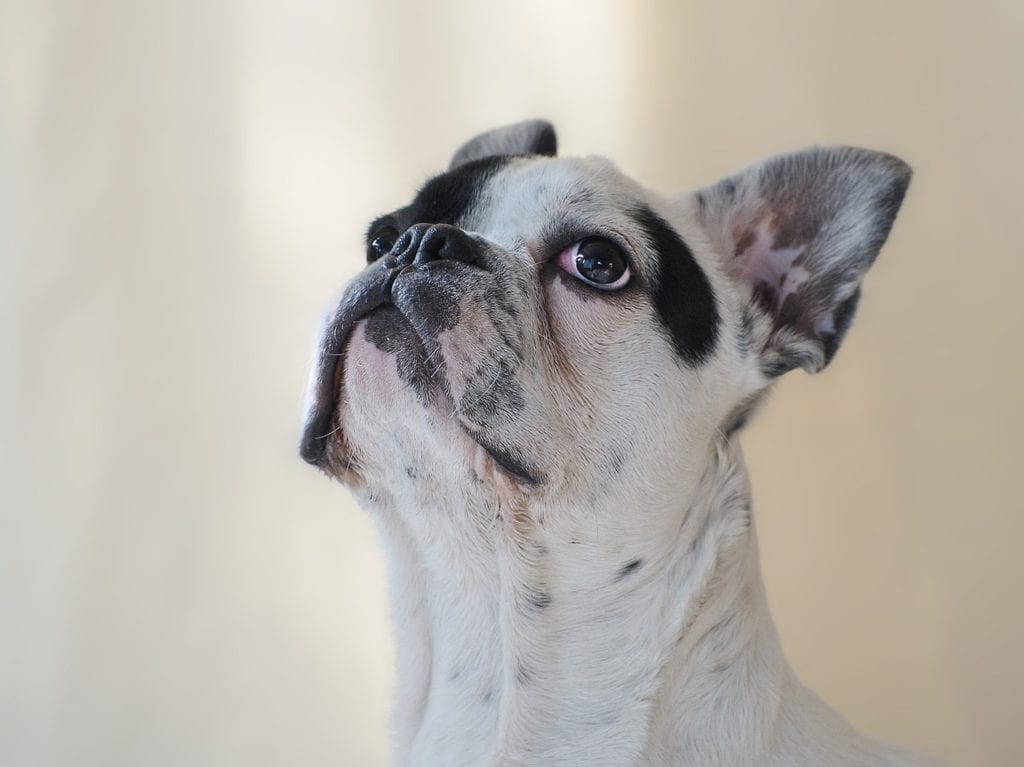
White with black spots French bulldog looking up

As a flat-faced breed, French Bulldogs are prone to breathing problems and do not do well in hot and humid weather. Exertion in these environments should be kept at a minimum. They are also susceptible to eye conditions, skin allergies and autoimmune skin disorders. Be sure to contact a reputable and responsible breeder if you are considering a French Bulldog as a companion. As a small breed under 40 pounds, but larger than 9 pounds, a medium PlexiDor Dog Door would be perfect for your new French Bulldog. Contact PlexiDor with any questions or call 888-PETDOOR. Our Customer Service is always happy to help and enjoy your new French Bulldog furbaby.